Pentagon Weighs Pullback of US Troops From Gulf as Iran War Exposes Base Vulnerabilities
- The Pentagon is assessing whether some US troops and military assets should be moved away from the Persian Gulf following repeated Iranian attacks.
- Around 40,000 US troops are normally stationed at nearly 20 locations across the wider Middle East.
- More than 200 US facilities have reportedly been damaged or destroyed during the conflict, while rebuilding damaged bases could cost billions of dollars.
- No final decision has been made, with Pentagon officials describing the discussions as early planning for America’s future military posture in the region.
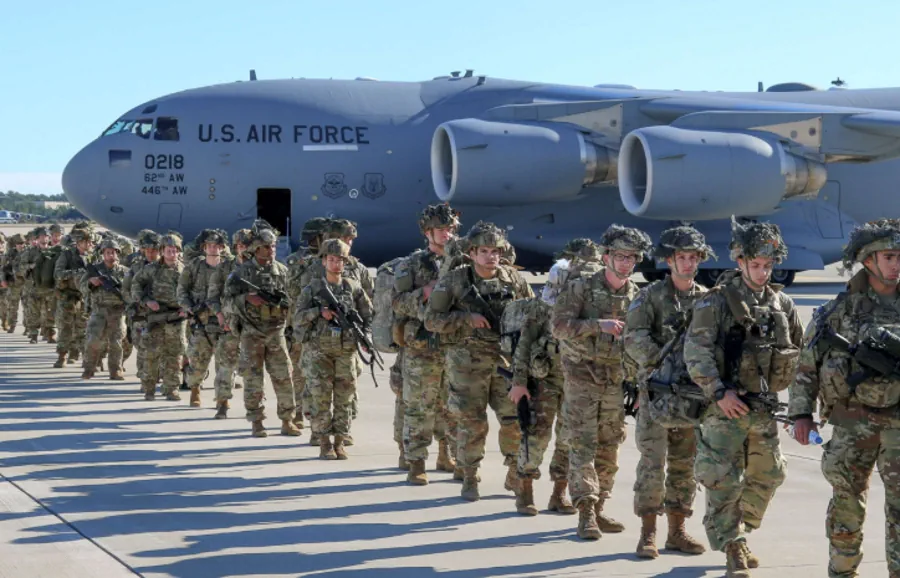
The Pentagon is examining whether the United States should reduce or reposition its military presence in the Persian Gulf after the war with Iran exposed the vulnerability of major American bases across the region, according to people familiar with the discussions.
The assessment could eventually lead to a significant change in where American troops, aircraft and other military assets are based in the Middle East. Repeated Iranian missile and drone attacks on US facilities have prompted officials to question whether maintaining large permanent bases close to Iran remains sustainable.
Also Read:
The discussions are being led by the Pentagon’s policy office, while the Joint Staff and US Central Command are also examining possible changes. However, Defense Secretary Pete Hegseth has not ordered a formal review, and a senior Pentagon official described the current process as “prudent planning” rather than a decision to withdraw troops.
US Central Command normally oversees around 40,000 American troops stationed at nearly 20 locations across an area stretching from Jordan to Oman. Washington has further strengthened its regional presence since the beginning of the year by deploying additional warships, fighter jets, air-defence systems and other military equipment.
Some of America’s most important Middle Eastern military facilities are located in the Gulf. Bahrain hosts the headquarters of the US Fifth Fleet, while Kuwait hosts major US Army and Air Force assets. Any substantial reduction in the American presence could therefore have major implications for Gulf countries that have relied on US military support for decades.
The debate has intensified following extensive damage to US facilities during the conflict. According to the source material, more than 200 American facilities have been damaged or destroyed, while six US service members were killed in an Iranian strike on the Port Shuaiba military facility in Kuwait in March.
US Central Command had already moved personnel away from some vulnerable bases before the war began in February after determining that the facilities were highly exposed to Iranian missile and drone attacks. Some of those changes could remain in place even after hostilities end.
Another concern is the pressure the conflict has placed on American air-defence inventories. US forces have reportedly used more than 1,000 advanced interceptors while protecting personnel and facilities, reducing stocks of Patriot and Terminal High Altitude Area Defense missiles.
One option being discussed involves shifting troops and equipment farther west from the Persian Gulf. Potential locations raised in the broader debate include Jordan, Israel and areas along Saudi Arabia’s Red Sea coast. However, moving forces farther from Iran would not eliminate the threat, as Tehran has demonstrated an ability to strike targets at considerable distances.
The discussions have also highlighted differences within the Trump administration over America’s future military strategy. Some officials favour maintaining a strong overseas military presence and continuing longstanding security commitments, while others support reducing those commitments and placing greater emphasis on homeland defence and deterring major powers such as China.
The financial cost of maintaining the current posture is another factor. The Pentagon estimates that the war will cost around $37.5 billion by the end of September, excluding the potential reconstruction of damaged bases. An April estimate cited in the source placed the possible cost of repairing affected US bases at approximately $5 billion.
Any reduction in American forces could also affect relations with Gulf allies. Some governments in the region have reportedly become frustrated with Washington over the conflict, while analysts say military cooperation could continue through arms sales, intelligence sharing and other security arrangements even if fewer US troops are permanently stationed in the Gulf.
Different proposals are already emerging over where American military assets could be relocated. Some advocates favour moving forces to more secure locations in Saudi Arabia, while others have proposed expanding the US military presence in Israel. The latter option has reportedly generated concerns among some administration officials over counterintelligence risks.
For now, the Pentagon has made no final decision on withdrawing or permanently relocating US forces from the Persian Gulf. Any major change would require approval from senior administration officials. However, the damage to US bases, mounting reconstruction costs and continuing threat from Iranian missiles and drones have placed the future of America’s military presence in the Gulf under serious consideration.