Pakistan to Privatise FESCO, GEPCO and IESCO in First Quarter of 2027
- Pakistan plans to privatise three major electricity distribution companies, FESCO, GEPCO and IESCO, during the first quarter of 2027.
- The government aims to complete the privatisation of Hyderabad and Sukkur DISCOs by the second quarter, followed by four additional companies in the second half of 2027.
- Proposed reforms include competitive electricity tariffs, smart metering, improved service delivery, employee protections and performance-based penalties for investors.
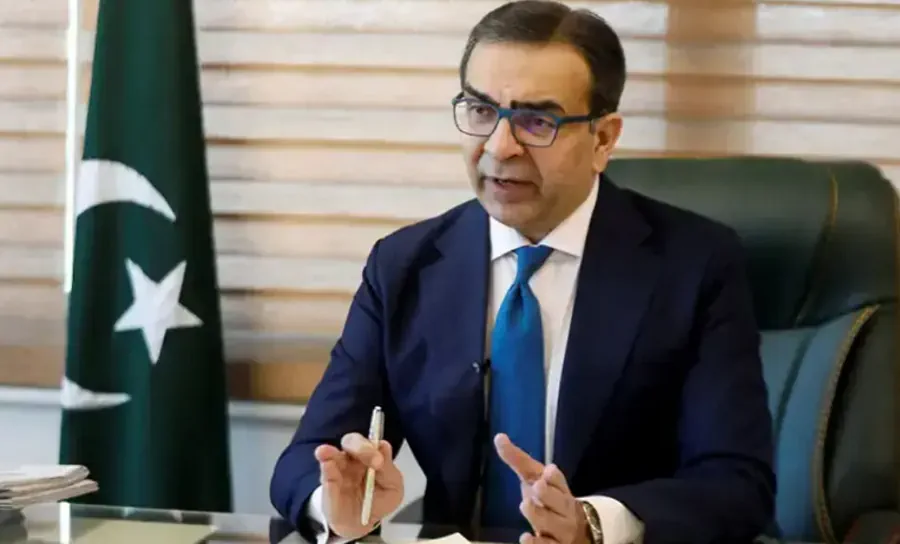
The federal government plans to privatise three major electricity distribution companies during the first quarter of 2027 as part of a broader programme to reform Pakistan’s struggling power sector, reduce electricity losses and attract private investment.
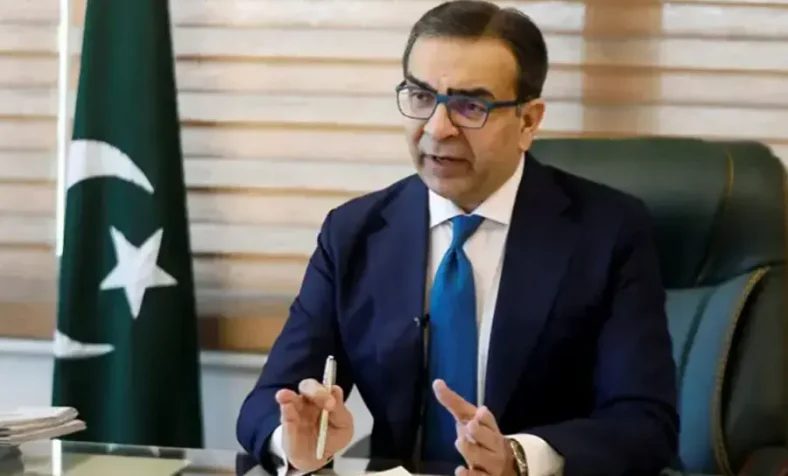
Prime Minister’s Adviser on Privatisation and Chairman of the Privatisation Commission Muhammad Ali confirmed that Faisalabad Electric Supply Company (FESCO), Gujranwala Electric Power Company (GEPCO) and Islamabad Electric Supply Company (IESCO) would be included in the first phase of the planned transactions.
Also Read:
In an interview, Muhammad Ali said the due diligence process for the three companies was already underway, with prospective investors examining their financial performance, operational structures and regulatory obligations.
According to a statement issued by the Privatisation Commission, potential investors have requested additional time to evaluate the transactions because of their complexity.
The government had originally intended to conduct bidding in December 2026. However, the adviser indicated that the schedule could be extended slightly, with the revised target set for the first three months of 2027.
The privatisation programme will subsequently expand to other electricity distribution companies across the country.
Muhammad Ali said preparations had already begun for the privatisation of Hyderabad Electric Supply Company (HESCO) and Sukkur Electric Power Company (SEPCO), with both transactions expected to be completed during the second quarter of 2027.
The government also intends to proceed with the privatisation of Lahore Electric Supply Company (LESCO), Multan Electric Power Company (MEPCO), Peshawar Electric Supply Company (PESCO) and Hazara Electric Supply Company (HAZECO).
These four companies are scheduled to undergo the privatisation process during the second half of 2027, subject to the completion of the required preparations and transaction procedures.
The adviser described Pakistan’s power sector challenges as a matter of national security, arguing that expensive electricity was damaging industrial competitiveness, restricting export growth and placing additional pressure on the economy.
He maintained that Pakistan could not achieve sustainable economic growth without addressing high energy costs and improving the efficiency of electricity distribution.
According to Muhammad Ali, electricity tariffs must become more competitive to prevent industrial consumers and households from increasingly moving away from the national electricity grid.
He said the government intended to introduce greater competition into the electricity supply market, allowing consumers to benefit from improved services and more efficient pricing arrangements.
Discussing investor confidence, the adviser acknowledged that previous experiences in Pakistan’s electricity sector, particularly involving K-Electric, had raised concerns among potential investors.
These concerns include uncertainty surrounding regulatory decisions, changes in electricity tariffs and the protection of long-term investments.
Muhammad Ali said the government was developing safeguards to address these issues before offering distribution companies to private investors.
One of the proposed measures involves finalising investment plans and multi-year tariff arrangements ahead of the bidding process, providing investors with greater clarity about their financial obligations and expected returns.
The government also plans to establish measurable performance requirements for companies operating under private ownership.
These requirements would focus on introducing smart electricity meters, adopting modern technologies, reducing transmission and distribution losses, improving bill recovery and strengthening electricity supply reliability.
Private operators would also be expected to improve load management and minimise unnecessary interruptions in electricity services.
Muhammad Ali explained that investors failing to achieve agreed performance targets would face financial penalties.
Conversely, companies demonstrating improvements in operational efficiency, recovery rates and electricity loss reduction would be eligible for performance-based rewards.
He emphasised that consumers would also receive a share of the financial benefits resulting from improved efficiency, rather than allowing all gains to remain with private operators.
The Privatisation Commission has prepared a comprehensive reform paper outlining proposed changes to electricity tariffs, investment requirements, business operations and the introduction of a competitive electricity market.
The document also addresses the regulatory and commercial arrangements needed to support private-sector participation in electricity distribution.
Muhammad Ali said the government intended to make the proposed reforms public by mid-November 2026, following consultations with relevant institutions, the prime minister and the Steering Committee.
A significant element of the reform programme involves gradually moving away from Pakistan’s existing uniform electricity tariff structure.
Under the proposed framework, electricity consumers would eventually have access to competing suppliers, creating opportunities for more flexible pricing and service arrangements.
However, the government intends to retain a supplier of last resort to ensure that consumers unable to obtain electricity through competitive suppliers continue to receive power.
The adviser said the transition towards a competitive market would require careful planning to protect consumers while encouraging investment and improving the performance of distribution companies.
Addressing financial arrangements for prospective investors, Muhammad Ali confirmed that investment returns would be calculated and paid in Pakistani rupees rather than US dollars.
The returns would be linked to inflation and determined using the Capital Asset Pricing Model, a financial framework used to assess investment risk and expected returns.
He maintained that private investors must receive reasonable financial returns to make the transactions commercially viable.
At the same time, the government would seek to ensure that efficiency improvements translated into benefits for electricity consumers through better services and reduced costs.
The adviser also addressed concerns among employees of state-owned electricity distribution companies regarding job security and employment conditions following privatisation.
He assured that the government intended to introduce safeguards to protect existing workers during the transition to private ownership.
Under the proposed arrangements, investors would be restricted from taking adverse employment-related actions or changing workers’ terms and conditions for a specified period.
Muhammad Ali emphasised that experienced employees would remain essential to the operation, maintenance and management of electricity distribution networks even after the companies were transferred to private ownership.
He said the government’s objective was to improve operational performance without unnecessarily disrupting the workforce responsible for delivering electricity services.
Beyond the electricity distribution sector, the adviser disclosed that the government was also examining the potential privatisation of major state-owned energy companies.
These include Pakistan State Oil (PSO), Sui Southern Gas Company (SSGC) and Sui Northern Gas Pipelines Limited (SNGPL).
Muhammad Ali indicated that certain strategic operations of Pakistan State Oil could remain under government control because of their importance to national energy security.
The government is evaluating possible transaction structures and ownership arrangements for these enterprises as part of its wider privatisation agenda.
The programme is intended to reduce inefficiencies in state-owned enterprises, encourage private-sector investment and address longstanding financial and operational problems affecting Pakistan’s energy sector.