Over 32 Million Pakistanis Suffer from Mental Health Disorders, 12.9 Million Have Hepatitis: Report
- More than 32.4 million people in Pakistan are affected by mental health disorders, with only 1,050 registered psychiatrists nationwide.
- Pakistan has over 12.9 million hepatitis B and C patients, while approximately 48,000 people die from hepatitis-related complications annually.
- An estimated 417,000 people are living with HIV in Pakistan, including nearly 3,900 children registered between January 2025 and June 2026.
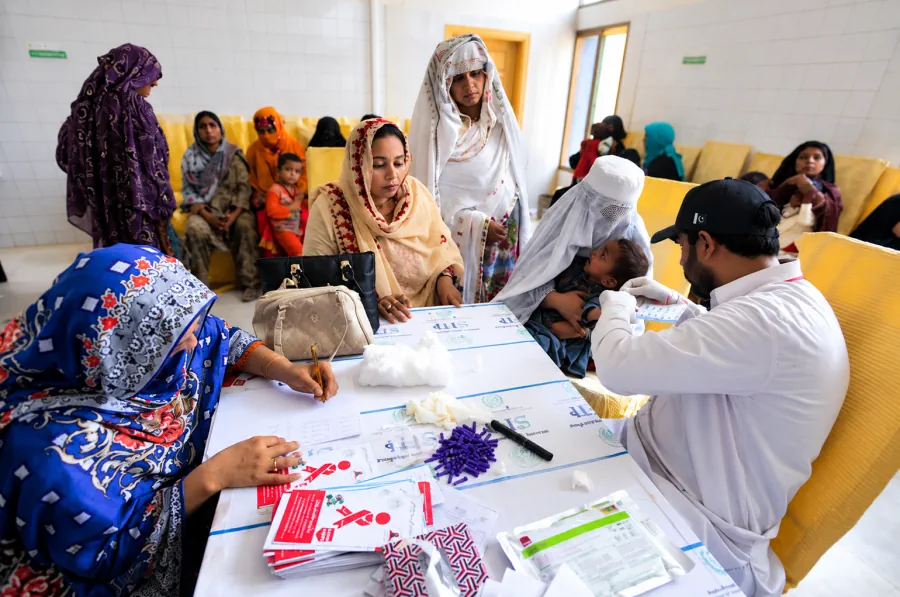
Pakistan is facing major public health challenges, with more than 32.4 million people suffering from mental health disorders, over 12.9 million living with hepatitis B or C and an estimated 417,000 affected by HIV, according to figures submitted by the Ministry of National Health Services to the National Assembly on Friday.
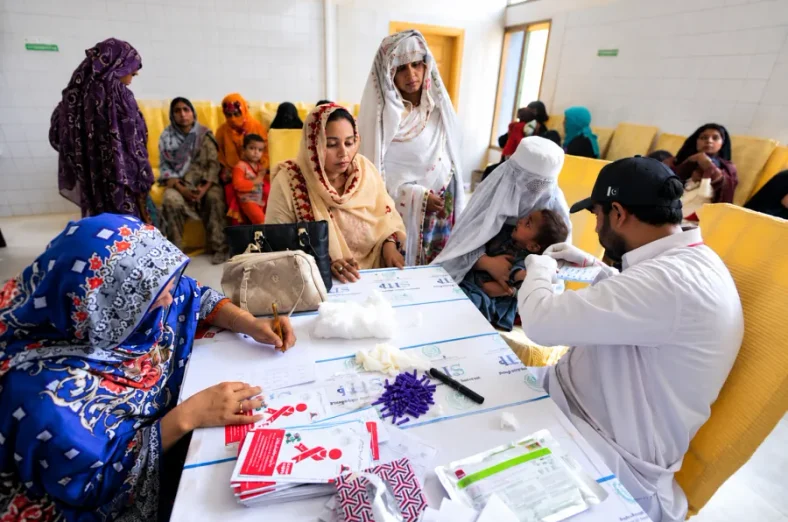
The ministry’s report highlighted the growing burden of mental illnesses and infectious diseases, alongside significant shortages in specialised healthcare services and gaps in the diagnosis and treatment of patients across the country.
Also Read:
According to the figures presented in parliament, the number of people affected by mental health disorders rose from approximately 30 million in 2019 to 32.4 million in 2023, representing an increase of 2.4 million within four years.
Islamabad alone has more than 300,000 people experiencing mental health conditions, reflecting the scale of the problem even in the federal capital.
Despite the large number of patients, Pakistan has only 1,050 registered psychiatrists nationwide. This translates to approximately one psychiatrist for every 245,000 people, indicating a substantial shortage of specialised mental healthcare professionals.
Punjab has the highest number of registered psychiatrists at 406, followed by Sindh with 228 and Khyber Pakhtunkhwa with 122. Balochistan has just 44 registered psychiatrists, highlighting disparities in the availability of mental health services across provinces.
The parliamentary report also revealed that Pakistan has the world’s largest population of hepatitis C patients and ranks among the 10 countries recording the highest number of deaths associated with the disease.
Citing estimates from the World Health Organization (WHO), the ministry informed lawmakers that approximately nine million people in Pakistan are infected with hepatitis C, while more than 3.86 million are living with hepatitis B.
Together, the two infections affect more than 12.9 million people nationwide, making viral hepatitis one of the country’s most serious public health concerns.
The report estimated that hepatitis-related illnesses claim approximately 48,000 lives in Pakistan every year. In 2024 alone, more than 88,000 new hepatitis C infections were recorded, indicating continued transmission of the virus.
Alongside hepatitis, the ministry presented concerning figures regarding the spread of HIV and the number of patients receiving treatment.
According to the report, more than 417,000 people in Pakistan are estimated to be living with HIV. However, only 92,148 individuals have been officially registered, leaving a substantial difference between estimated infections and documented cases.
Of the registered HIV patients, 67,878 are receiving antiretroviral therapy (ART), which is used to control the virus and improve the health and life expectancy of people living with HIV.
The ministry also reported a sharp increase in annual HIV infections over the past decade and a half. The number of annual cases rose from approximately 16,000 in 2010 to 48,000 in 2024, representing a threefold increase.
Meanwhile, HIV screening activities have expanded considerably. The number of screenings increased from 37,944 in 2020 to approximately 374,000 in 2025, reflecting greater testing activity across the country.
The report further disclosed that 3,900 children were registered as HIV-positive between January 2025 and June 2026, raising concerns about the impact of the infection on younger populations.
Sindh recorded the highest number of registered HIV-positive children during this period, with 1,915 cases, followed closely by Punjab with 1,765.
Khyber Pakhtunkhwa reported 139 registered cases among children, while Balochistan recorded 46.
In the federal capital, Islamabad, 30 children were registered as HIV-positive. Azad Jammu and Kashmir reported four cases, while Gilgit-Baltistan recorded one.
The provincial figures show that Sindh and Punjab account for the overwhelming majority of registered HIV cases among children during the reported period, with a combined total of 3,680 cases.
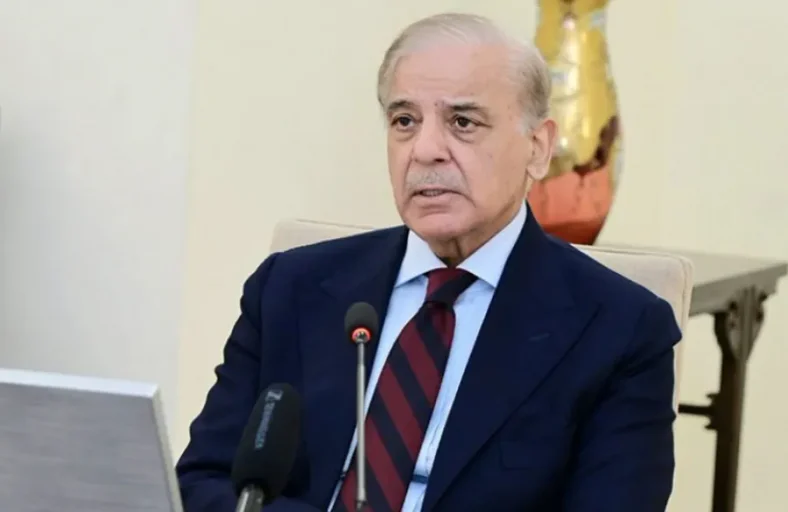
The information was presented to the National Assembly by the Ministry of National Health Services, providing lawmakers with updated figures on the prevalence of mental health disorders, viral hepatitis and HIV, as well as the availability of psychiatric specialists and access to HIV treatment in Pakistan.