LHC rules special oath offer must be accepted in full to become binding
- Court says an oath offer cannot be altered and enforced without the original proposer’s consent.
- A condition linking a false oath to a wife’s divorce was held legally invalid because it affected a third party.
- The appellate court must decide the case without treating the oath as binding.
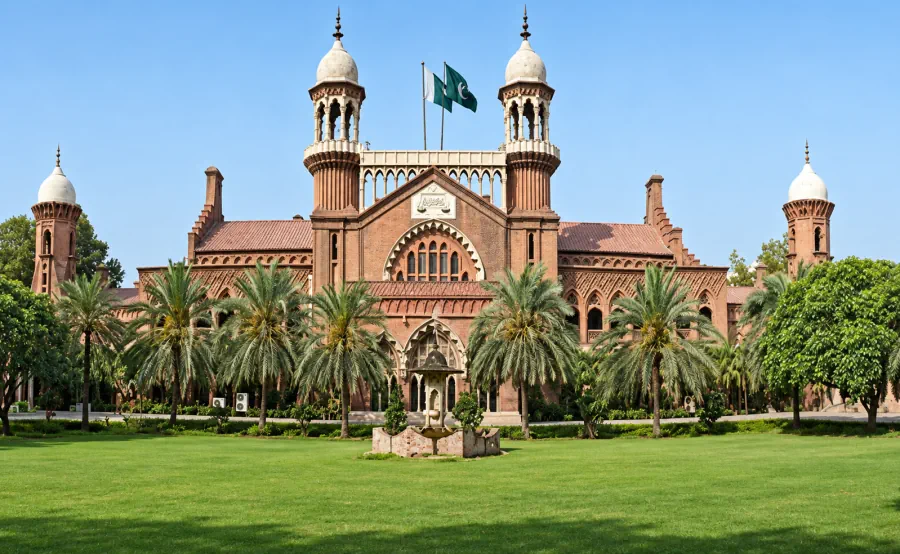
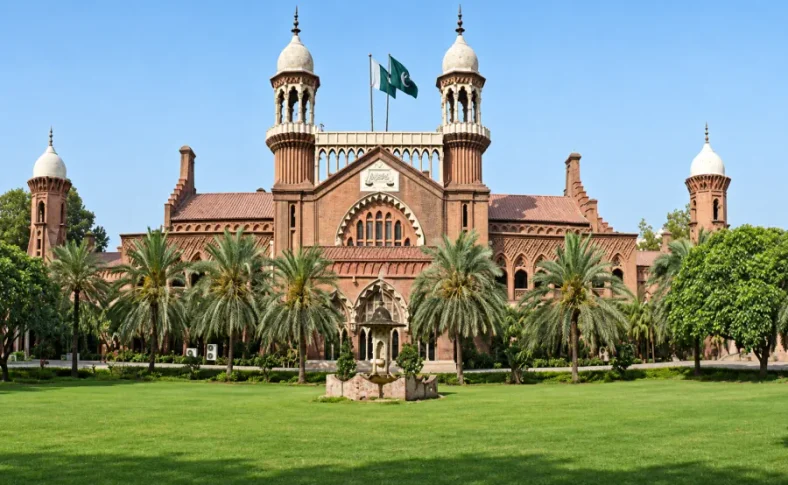
The Lahore High Court has set aside a lower appellate court’s order enforcing an oath on the Holy Quran, ruling that an offer to take a special oath becomes binding only when accepted exactly as proposed, 24NewsHD TV reported on Tuesday.
In a 12-page judgment, a single-member bench allowed a civil revision petition filed by Muhammad Azam Khan. The court held that the appellate court had wrongly removed a divorce-related condition from the proposed oath while enforcing its remaining terms.
Also Read:
The high court explained that a special oath is subject to the law and cannot be treated solely as a private arrangement between two individuals. Its terms cannot be framed in a way that affects the rights of a third party.
In this case, the proposed condition made the wife’s divorce a consequence of a false oath. The court held that the condition directly affected a third party and was legally invalid from the outset.
The opposing party had refused to accept the divorce-related condition, meaning the original offer had not been accepted in its entirety. The judgment explained that accepting only part of an offer amounts to making a new offer, which requires the original proposer’s consent.
The appellate court therefore could not remove the disputed condition and treat the rest of the oath as binding.
The high court also found that the proceedings conducted on August 22 did not establish that the offer had been accepted before it was withdrawn.
Addressing another point in the proceedings, the judgment noted that a claim about an individual having arrived from abroad proved incorrect. Counsel acknowledged that the person was already in Pakistan.
The Lahore High Court directed the appellate court to decide the case without treating the proposed oath as binding.