JI Warns of ‘Super Long March’ From Multan if Government Rejects Demands
- Hafiz Naeem-ur-Rehman says Jamaat-e-Islami’s protest campaign has been postponed, not ended.
- The party is demanding an end to the petroleum levy, a review of IPP agreements and lower electricity prices.
- JI plans to take a petition bearing millions of signatures to Islamabad and resume its march from Multan if talks fail.
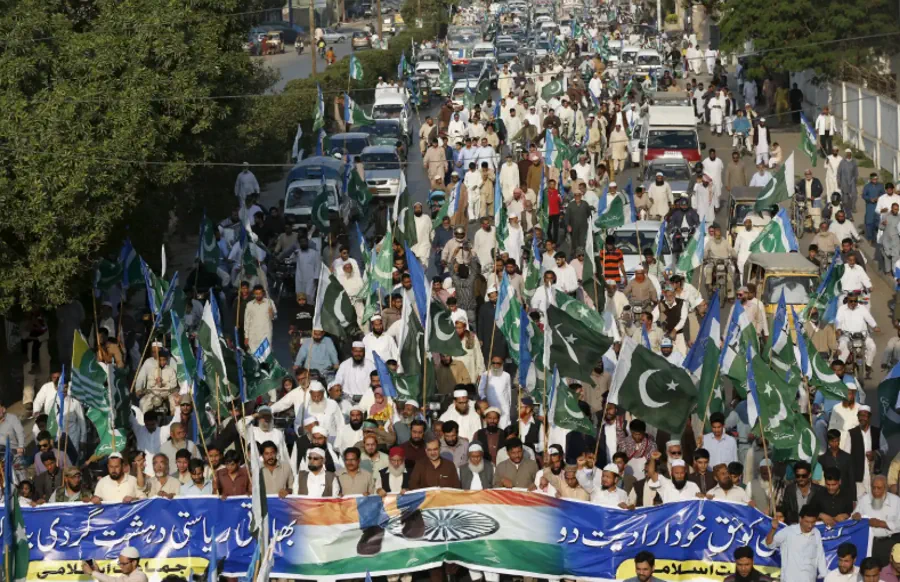
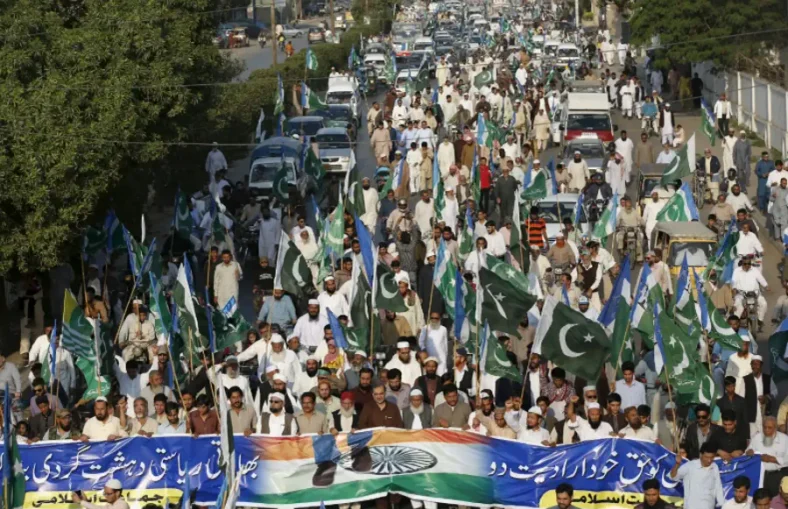
Jamaat-e-Islami (JI) chief Hafiz Naeem-ur-Rehman said on Sunday that his party would resume its “super long march” from Multan if the government failed to address its demands on fuel taxes, electricity prices and inflation.
Speaking during a visit to a JI protest camp at 5-Star Chowrangi in Karachi’s North Nazimabad area, Hafiz Naeem said the party had postponed its protest movement, not called it off. He said camps had been set up across the country and JI would take a petition bearing millions of signatures to Islamabad.
Also Read:
He urged party workers to visit streets and markets to gather signatures and explain JI’s demands. These include abolishing the petroleum levy, reviewing agreements with independent power producers (IPPs), reducing electricity prices and easing the financial burden on households. He said the ruling class should cut its own expenses instead of passing more costs on to the public.
Hafiz Naeem said JI would hold talks with the prime minister after his return from a foreign visit. If the government accepted the demands, he said, the dispute could be resolved. Otherwise, the party would restart its march from Multan.
The JI chief described public protest as a democratic right and said attempts to prevent demonstrations would fail. Citing the denial of permission for a JI gathering in Lahore, he claimed the government had backed down after a large number of people turned out.
He said inflation and unemployment had made daily life difficult for households, while rising costs were also hurting businesses. He thanked traders, particularly in Karachi, for supporting the September 3 strike.
Hafiz Naeem argued that increases in petrol prices and the petroleum levy pushed up the cost of other goods. He accused powerful interests in the IPP, flour, sugar and banking sectors of benefiting while ordinary people faced higher bills and taxes. He also criticised opposition parties for what he called an inadequate response to the petroleum levy and other measures in the current budget.
Referring to the Iran-US war, he said the government had increased the petroleum levy at a time when people needed relief. He claimed that about Rs80 per litre was still being collected under the levy. He disputed the suggestion that international lenders had required the increase, saying the IMF had also called for stronger tax collection from wealthy landowners and other privileged groups.
He said salaried workers were paying substantial taxes while feudal and large landowners were not being taxed in line with their incomes. He also alleged corruption and tax evasion within the Federal Board of Revenue and called on it to carry out its responsibility for tax collection.
Hafiz Naeem said JI had previously campaigned on issues involving K-Electric, NADRA, Bahria Town and IPP agreements. He claimed those efforts had helped residents obtain identity cards and brought relief in electricity bills.