Dengue Larvae Found in Over 74,000 Houses in Rawalpindi as Outbreak Risk Rises
- Dengue mosquito larvae have so far been detected in 74,392 houses and 13,016 other locations across Rawalpindi district.
- As many as 141 of the district’s 189 union councils now have a Breteau Index above three.
- In 28 union councils, larvae have been detected in more than 10% of houses inspected.
- Six dengue cases have been confirmed in Rawalpindi district so far, while health experts warn of a possible outbreak in the coming days.
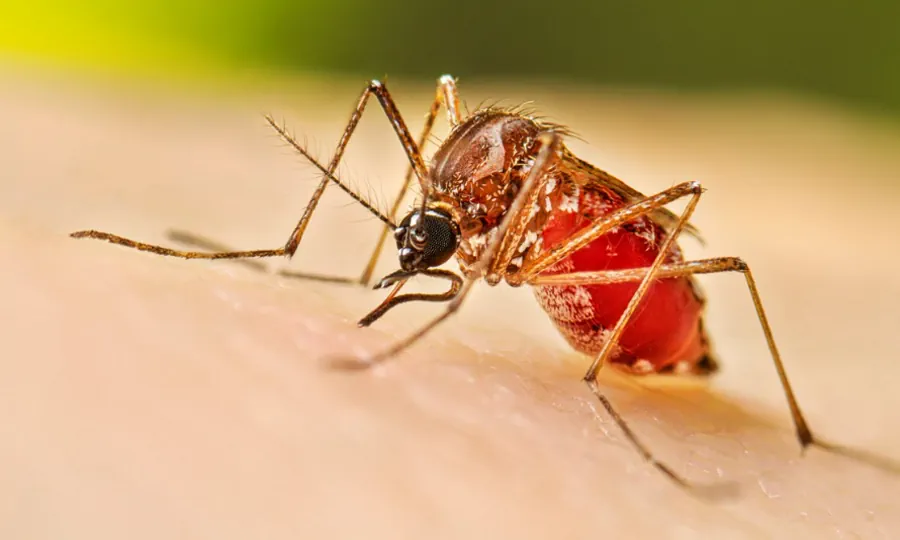
Rawalpindi is facing an increased risk of a dengue fever outbreak as health surveillance teams continue to detect mosquito larvae in large numbers across the district, with conditions also raising concerns for the wider twin cities region of Rawalpindi and Islamabad.
According to data from the District Health Authority (DHA) Rawalpindi, dengue mosquito larvae have so far been detected in 74,392 houses and 13,016 other locations during indoor and outdoor surveillance operations.
Also Read:
The latest figures show that 141 of Rawalpindi district’s 189 union councils have a Breteau Index (BI) above three, indicating that larvae of Aedes aegypti, a mosquito responsible for transmitting dengue, were detected in more than 3% of houses inspected in these areas.
Of the 141 union councils, 79 recorded a Breteau Index between three and seven, meaning dengue larvae were found in 3% to 7% of inspected houses.
Another 34 union councils recorded a BI between seven and 10, indicating larvae were present in 7% to 10% of houses checked. The situation is more concerning in 28 union councils where the Breteau Index has exceeded 10, meaning larvae were detected in more than 10% of inspected homes.
The latest figures represent a significant deterioration compared with the situation around two months earlier. At that time, 56 union councils had a Breteau Index between three and seven, only four were between seven and 10, while three union councils had an index above 10.
The number of relatively lower-risk areas has also declined sharply. Currently, only 48 union councils have a Breteau Index below three. On June 19, as many as 134 union councils were in this category.
The growing presence of dengue larvae comes during the rainy season, when temperature, rainfall and humidity can contribute to an increase in the population of mosquitoes capable of transmitting the virus.
The District Health Authority’s daily dengue prevention and control report also shows that six people from Rawalpindi district have so far tested positive for dengue fever.
Health experts have warned that an outbreak in the coming days cannot be ruled out, particularly as the confirmation of dengue cases in an area can increase the possibility of further transmission.
Dengue is primarily transmitted through infected female Aedes mosquitoes, including Aedes aegypti and Aedes albopictus. The mosquitoes can acquire the dengue virus from an infected person and subsequently transmit it to healthy individuals through their bites.