Dar says PM effectively presented Pakistan’s stance on Palestine and Kashmir at UNGA
- Dar says the prime minister raised Palestine, Kashmir, the Indus Waters Treaty and terrorism concerns at the UN.
- Pakistan’s diplomatic engagements also covered Iran-US talks, regional defence cooperation and disruptions to global shipping.
- Four injured Pakistanis are expected to return from Somalia, while efforts continue to repatriate three bodies.
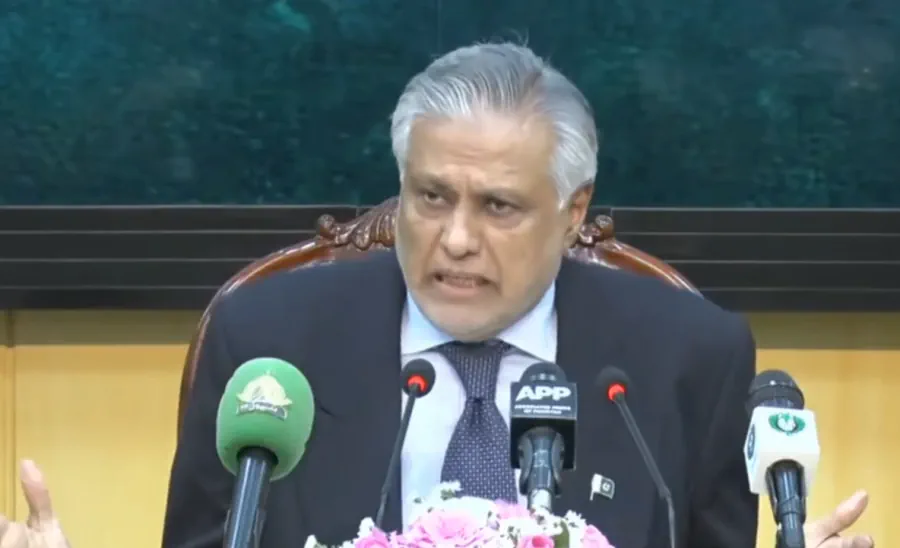
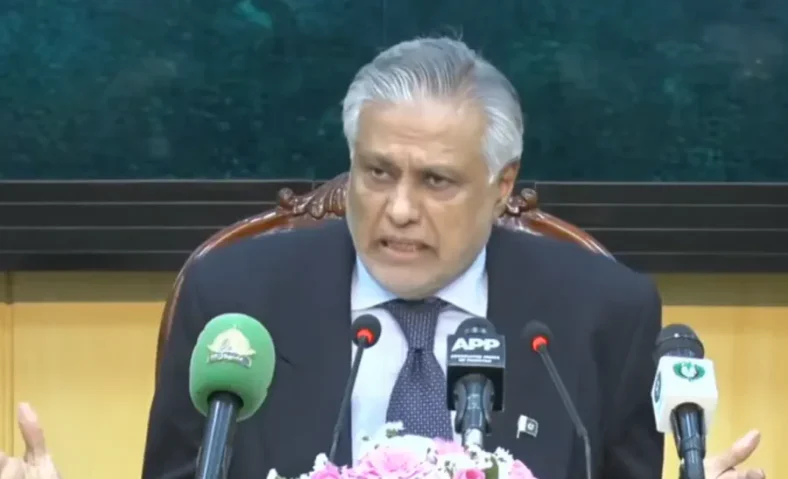
Deputy Prime Minister and Foreign Minister Ishaq Dar said on Friday that Prime Minister Shehbaz Sharif clearly and effectively presented Pakistan’s position on Palestine and Kashmir during the 81st United Nations General Assembly session.
Pakistan DPM Dar holds media briefing, Live https://t.co/ynIo5W4ZXP— Pakistan TV Digital (@PakistanTVcom) October 2, 2026
Dar said the prime minister also briefed the international community on the Indus Waters Treaty and highlighted the threat of terrorism originating from Afghanistan.
Also Read:
During his visit to New York, Shehbaz attended several high-level and bilateral meetings, including engagements with the presidents of Kenya and Iran, the prime minister of Bangladesh, the presidents of the European Commission and European Council, and Prince Rahim.
Dar described the diplomatic engagements as highly useful and praised the prime minister’s representation of Pakistan. He said he attended 12 meetings over five days, while the Organisation of Islamic Cooperation meetings took place on September 21.
The foreign minister also announced that the UN secretary-general had accepted Pakistan’s invitation to visit the country and was expected to arrive soon.
On Palestine, Dar said the issue remained a major concern and noted that the Palestinian president had been denied a visa for the second consecutive year.
He said Pakistan participated in an OIC meeting on Palestine, where it also called for regular meetings on Kashmir. Dar added that Pakistan had fully used its diplomatic position during its elected two-year membership of the UN Security Council.
He also attended a Security Council meeting on artificial intelligence, which included representatives from Türkiye, Pakistan and Saudi Arabia.
Discussing Pakistan’s mediation efforts, Dar said Islamabad hosted six sessions of talks between Iran and the United States, lasting a total of 21 hours. He said the process brought the two sides to the same table after 47 years.
Dar added that the Field Marshal’s role in securing the Iran-US ceasefire had been recognised.
He also outlined the structure of the Strategic Political Defence Committee established under the Makkah Pact. Each participating country has three representatives on the committee: its foreign minister, defence minister and army chief.
According to Dar, the pact was signed on August 7, followed by its first meeting in Istanbul on August 31. A special meeting attended by the three army chiefs was subsequently held in Riyadh.
The three foreign ministers also met in New York, he said. Another committee meeting was scheduled for the following week in Riyadh to review conditions on the ground under the pact.
Dar said celebrations took place in Türkiye and Azerbaijan following Pakistan’s success in the war, adding that what he described as the “seven-day formula” emerged from those developments.
Turning to maritime security, Dar said Pakistan wanted the Strait of Hormuz to remain open, with vessels able to move freely without charges.
He said he had asked Iranian Foreign Minister Abbas Araghchi to release an LNG ship held during the week. Qatar had also exchanged messages, he added, while violations by both sides had worsened the situation.
Dar said disruptions were affecting the global supply chain. The prime minister had highlighted the impact of the closure of the Strait of Hormuz and Bab el-Mandab on oil prices and had approved a relief scheme for the public.
The foreign minister also provided an update on Pakistani nationals affected by the incident in Somalia. As Pakistan has no diplomatic mission there, its mission in Djibouti was activated to coordinate assistance.
Dar said Pakistan had mobilised its ambassador and deputy head of mission in Djibouti. The deputy head of mission had reached the area where the bodies of the deceased Pakistanis were located.
Four injured Pakistanis—Yasir Khan, Aqeel, Amin bin Shams and Usman—were not in serious condition and were expected to arrive in Karachi the following day, he said.
Dar identified the three Pakistanis who died as Rafiullah, Kashif Umar and Mahmood Ahmed Ansari. He said extensive formalities were required to repatriate their bodies, with efforts under way to bring them home within two to three days.
Three other Pakistanis—Imran Ali, Yasir Muhammad and Syed Yusuf Hussain—remained aboard an aircraft with its captain and were unable to leave, according to Dar.
He said arrangements had been made with some countries to help them leave the aircraft and transfer them into the care of Pakistan’s mission in Djibouti. The process was expected to take two to three days.