Elon Musk Becomes World’s First Trillionaire as SpaceX Makes Record-Breaking Market Debut
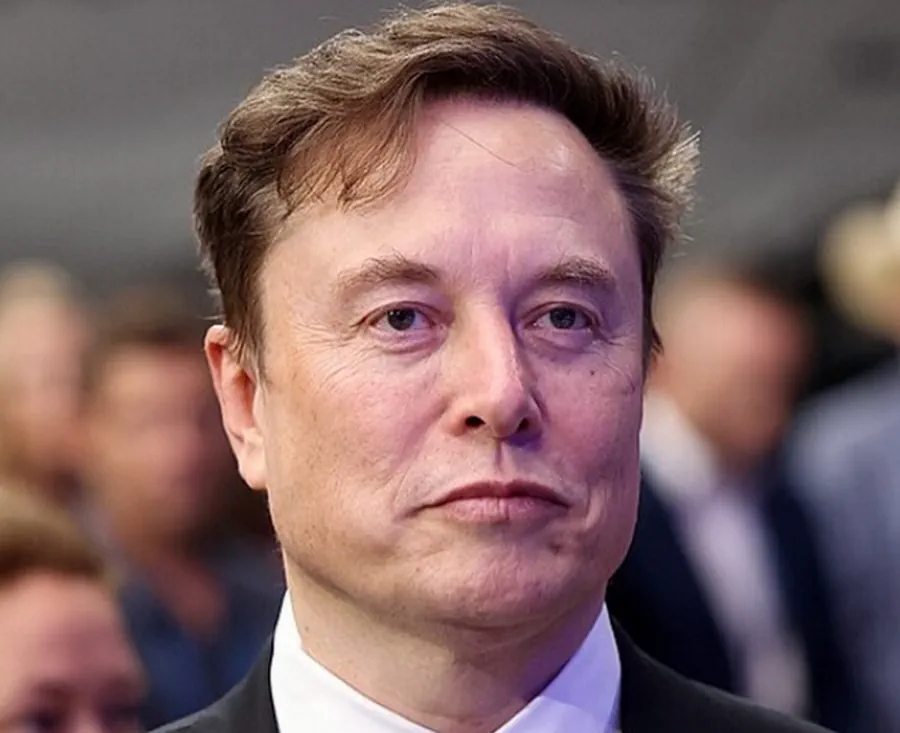
Elon Musk has become the first person in history to surpass a net worth of $1 trillion after SpaceX made a blockbuster debut on the Nasdaq stock exchange, attracting massive investor interest and pushing the company’s valuation to approximately $2.2 trillion.
According to the Bloomberg Billionaires Index, Musk’s total fortune reached around $1.11 trillion following the surge in SpaceX shares. The company priced its initial public offering (IPO) at $135 per share, but trading opened significantly higher at $150 and briefly climbed to $176.50 before closing at about $161.
Also Read:
The IPO raised roughly $75 billion, making it one of the largest public offerings ever. Musk owns about 42 percent of SpaceX, giving him substantial control over the company and making his stake the biggest contributor to his trillion-dollar fortune.
Bloomberg reported that Musk’s SpaceX holdings were valued at approximately $767.1 billion at the close of trading, while his SpaceX stock options were worth an additional $53.8 billion. He also holds around $168 billion in Tesla shares and $116.4 billion in Tesla options. (Source: Bloomberg Billionaires Index)
The milestone has reignited global discussions about wealth concentration and economic inequality. Musk’s personal fortune is now comparable to the annual economic output of some major nations, including Poland and Switzerland.
Musk has become one of the most influential and controversial figures in global politics and business in recent years. He has publicly backed political causes, contributed heavily to U.S. election campaigns, and played a prominent role in government efficiency initiatives under President Donald Trump’s administration.
Critics were quick to respond to the trillionaire milestone. U.S. Senators Bernie Sanders and Elizabeth Warren were among those who argued that such levels of wealth highlight the need for stronger wealth-tax policies. Warren described the development as a “wake-up call” regarding economic inequality.
It is important to note that Musk’s fortune exists largely on paper because it is tied to the value of his stock holdings rather than cash. Under IPO restrictions, he cannot immediately sell his SpaceX shares.
The public listing is also expected to benefit thousands of SpaceX employees. More than 4,400 current and former staff members who received company shares as part of their compensation packages could see significant financial gains from the stock market debut.
Despite investor enthusiasm, SpaceX remains unprofitable. Financial filings indicate the company has recorded losses exceeding $9 billion across 2025 and 2026 as it continues investing heavily in artificial intelligence, rocket development, satellite infrastructure, and other long-term projects.
SpaceX’s core businesses include reusable rocket launches, satellite manufacturing, and Starlink internet services. Earlier this year, the company also expanded its artificial intelligence ambitions through the acquisition of xAI, another Musk-led venture.
The company has said funds raised from the IPO will support future growth in space transportation, satellite networks, AI development, and even ambitious concepts such as orbital data centers.
Some analysts remain cautious about these plans. Nancy Tengler, chief executive of Laffer Tengler Investments, told reporters that SpaceX’s AI division is currently a “cash incinerator,” while also stressing that investors should view long-term projections carefully. Despite those concerns, she said her firm is investing with a three-to-ten-year outlook and believes the company’s future potential remains substantial.
SpaceX’s long-term vision extends far beyond rockets and internet satellites. In its IPO prospectus, the company stated that its mission is “to build the systems and technologies necessary to make life multiplanetary, to understand the true nature of the universe and to extend the light of consciousness to the stars.”
The company also outlined ambitions to help create a future “lunar economy,” involving regular transportation of people and cargo to the Moon and eventually Mars. However, SpaceX acknowledged in its regulatory filings that many of these initiatives depend on technologies that are still unproven or do not yet exist, and there is no guarantee they will become commercially viable.
Ahead of the listing, protesters gathered in New York’s Times Square to demonstrate against Musk and some of his business and political activities. Nevertheless, investor demand remained strong.
Susannah Streeter, chief investment strategist at Wealth Club, said the stock’s strong debut reflected widespread confidence in Musk’s vision and future ambitions. However, she cautioned that the rally appeared to be driven not only by business fundamentals but also by hype and the scarcity of available shares.
Market analysts say the key question now is whether SpaceX can justify its enormous valuation over the long term. Samel Kerr, head of equity capital markets research at Mergermarket, noted that investors will ultimately focus less on the initial trading surge and more on whether the company can maintain its market value in the years ahead.