US, Iran agree to establish direct IRGC communication channel in Doha: JD Vance
- US and Iran have agreed to establish a direct communication channel involving Iran’s Islamic Revolutionary Guard Corps (IRGC).
- Military officials from the IRGC and US Central Command are expected to meet in Doha to reduce the risk of future conflict.
- Marco Rubio says Washington has clear limits in any future agreement with Tehran, particularly regarding the Strait of Hormuz.
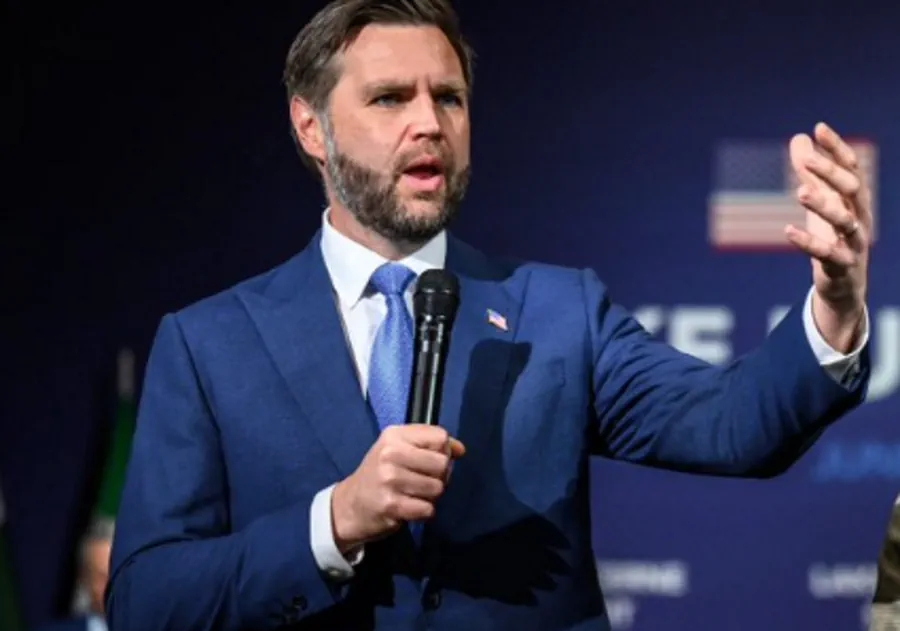
The United States and Iran have agreed to establish a direct communication channel involving Iran’s Islamic Revolutionary Guard Corps (IRGC) in an effort to reduce tensions and prevent future military escalation, according to US Vice President JD Vance.
Exclusive: JD Vance speaks to UnHerd on America's new relationship with Iran.
— UnHerd (@unherd) June 25, 2026
Speaking to @SohrabAhmari on Air Force Two, he covered:
– What it's like to negotiate with the Iranians
– What Iran really wants from the deal
– How America and Iran have agreed an in-person channel…
In an interview with British news outlet UnHerd, Vance said the proposed arrangement is aimed at lowering the risk of further conflict between Washington and Tehran. Under the plan, military officials from both sides are expected to hold direct meetings in Doha, Qatar, where they will discuss disputes and seek ways to avoid misunderstandings that could lead to renewed hostilities.
Also Read:
Vance said the discussions would bring together representatives from Iran’s IRGC and the US Central Command (CENTCOM), allowing both sides to address key points of disagreement through direct military-to-military communication.
He also revealed that the United Arab Emirates has opened new lines of communication with Iran, including contacts involving the IRGC. According to Vance, these diplomatic efforts have expanded dialogue between the two countries and now include discussions on possible economic incentives, creating channels of engagement that previously did not exist.
Separately, US Secretary of State Marco Rubio stressed that Washington has firm limits regarding any future agreement with Iran. Speaking during a visit to Bahrain as part of a regional tour aimed at reassuring Gulf allies following the recent Middle East conflict, Rubio warned that allowing Tehran to impose transit fees on ships passing through the Strait of Hormuz would create “total chaos.”
The latest diplomatic developments come after weeks of heightened tensions in the region. According to the report, the conflict began on February 28 with a large-scale US-Israeli military campaign targeting sites inside Iran, triggering a period of increased regional instability.