Pakistan Seeks Shariah Clarification on Crypto as Digital Assets Plan Moves Forward
- Pakistan’s virtual assets regulator has sought clarification on the Islamic status of digital assets.
- Officials want a distinction between speculative cryptocurrencies and asset-backed digital tokens.
- The move comes after a major religious ruling declared crypto-based payments impermissible under Islamic law.
- The government says it will continue working with Islamic scholars while developing crypto regulations.
Pakistan’s top virtual assets regulator has asked one of the country’s leading Islamic seminaries to clarify the difference between speculative cryptocurrencies and asset-backed digital tokens, as the government continues its push to regulate the digital asset sector.
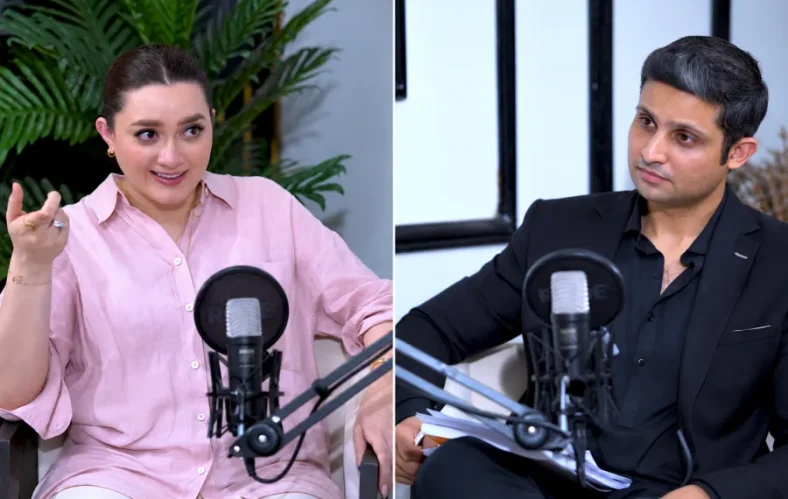
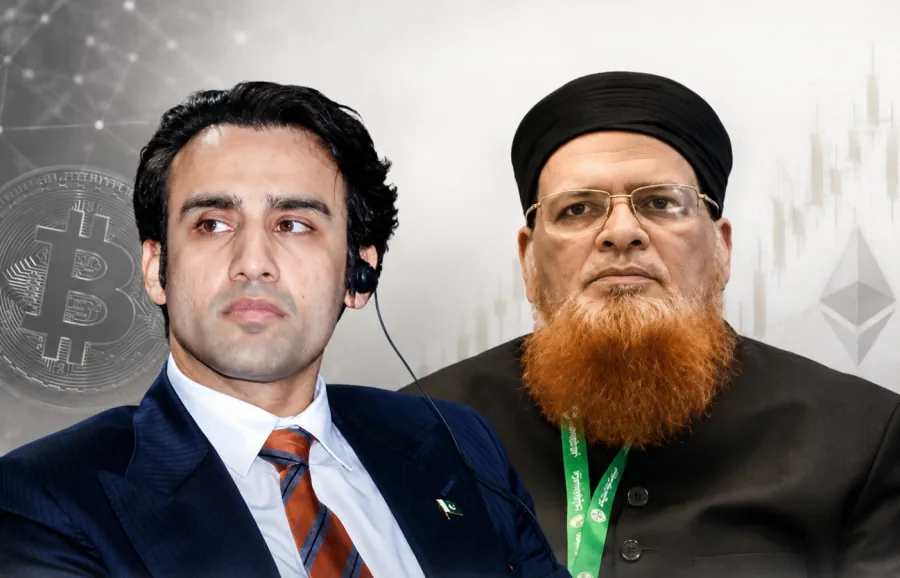
Bilal Bin Saqib, Chairman of the Pakistan Virtual Assets Regulatory Authority (PVARA), said the request followed a fatwa issued last month by Jamia Darul Uloom Karachi, which stated that cryptocurrency-based purchases are currently not permissible under Islamic law.
Also Read:
The ruling has raised questions about Pakistan’s growing efforts to formally regulate and expand the use of digital assets in a country that remains one of the world’s largest retail crypto markets.
Despite the religious concerns, the government has continued to move ahead with its crypto strategy. Authorities are working on the tokenisation of state-owned assets and are preparing to issue licences for cryptocurrency exchanges in the coming months.
Pakistan has also made digital assets part of its international engagement, including an agreement with an affiliate of World Liberty Financial — the main cryptocurrency business linked to the family of US President Donald Trump — to explore the use of the USD1 stablecoin for cross-border payments.
According to the fatwa issued by Jamia Darul Uloom Karachi in June, cryptocurrency is not currently recognised as wealth under Islamic law and therefore cannot be considered a valid means of payment. The ruling was issued by a panel of Islamic scholars, including renowned Islamic finance expert Mufti Muhammad Taqi Usmani, in response to a question about purchasing books and an online course using cryptocurrency.
Bilal Bin Saqib said the regulator is seeking guidance that distinguishes highly speculative cryptocurrencies from asset-backed digital tokens, particularly as Pakistan develops its licensing framework and explores stablecoins and real-world asset tokenisation.
“We will continue working closely with our scholars as Pakistan develops its licensing framework and advances work on stablecoins and real-world asset tokenisation,” he said.
He added that Pakistan has the opportunity to become a global leader in Shariah-compliant digital finance, but stressed that such progress must be achieved in consultation with religious scholars.