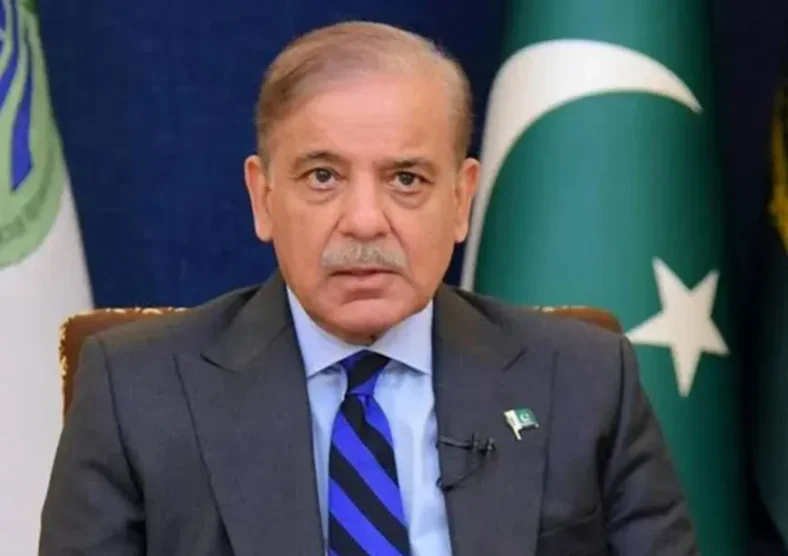
PM Shehbaz And Trump Urge Restraint As Israel-Iran Tensions Threaten Diplomatic Efforts
• PM Shehbaz Sharif warns that further escalation between Israel and Iran could have “unbearable” global consequences.
• US President Donald Trump urges Israel not to retaliate against recent Iranian missile attacks.
• Both leaders stress diplomacy and dialogue as the best path to prevent a wider regional conflict.
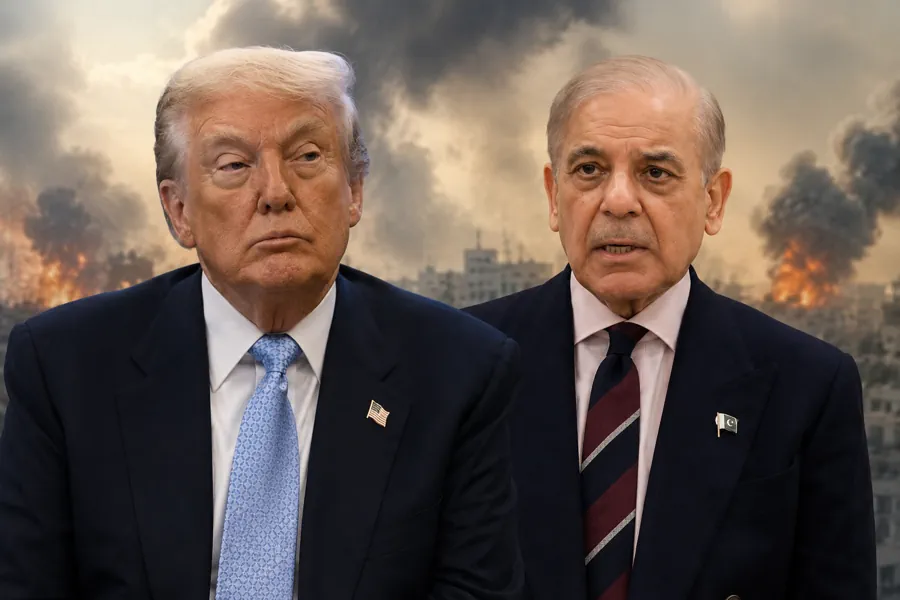
Pakistan Prime Minister Shehbaz Sharif and US President Donald Trump have both called for restraint amid renewed tensions between Israel and Iran, warning that further military escalation could undermine ongoing diplomatic efforts and destabilize the wider Middle East.
Also Read:
Prime Minister Shehbaz Sharif expressed deep concern over the latest exchange of attacks between the two regional rivals, saying the violence serves as a reminder of how fragile the current ceasefire environment remains. In a message shared on X, he cautioned that the consequences of a broader conflict could become “intolerable” not only for the region but for the entire world.
The prime minister urged all parties involved to exercise patience, tolerance and restraint, emphasizing that a peaceful and just resolution remains achievable. He said that a “just solution” appears within reach and warned that any new escalation could derail the diplomatic progress made so far.
Sharif also highlighted Pakistan’s ongoing diplomatic engagement, stating that Islamabad is working closely with “brotherly countries and partners” to support efforts aimed at securing lasting peace. He appealed to all sides to abandon violence and pursue dialogue, expressing confidence that diplomatic initiatives still carry “bright prospects of success.”
Meanwhile, US President Donald Trump also sought to calm tensions following Iran’s recent missile attacks, revealing that he had urged Israel to avoid a retaliatory response. Trump said Washington remains “very close” to reaching a final agreement with Tehran and does not want the latest developments to derail negotiations.
According to Trump, another Israeli military response could prolong the conflict and keep the region trapped in a cycle of retaliation. Speaking about the situation, he said Iran had already launched missiles and that “that’s enough,” urging Tehran to return to negotiations and finalize a diplomatic agreement.
Trump said he hoped Israel would avoid further strikes and claimed that no casualties had been reported from the recent Iranian missile attacks. He stressed that diplomacy should be given a chance before another military confrontation takes place.
A senior US official said the Trump administration had not provided Israel with a “green light” for its earlier strike in Beirut. The official added that Israeli Prime Minister Benjamin Netanyahu initially resisted calls for restraint but later appeared willing to step back from immediate retaliation.
Trump also made clear that US policy regarding Iran would be determined in Washington. Referring to Netanyahu, he stated: “He won’t have any choice” but to accept any agreement secured by the United States.
“I call the shots. I call all the shots. He doesn’t call the shots,” Trump said.
The latest tensions were triggered after Israel carried out strikes in Beirut’s southern suburbs, prompting Iran to launch what its Revolutionary Guard Corps described as a warning missile attack. Tehran also warned that any future aggression could result in broader military action.
The Iranian strike marked the first direct attack on Israel since a ceasefire reached in April had largely halted major hostilities involving Iran, Israel and the United States. Trump openly criticized Israel’s Beirut operation, saying he was “not happy about it” and warning that both the Israeli strike and Iran’s response risk damaging efforts to transform the ceasefire into a broader political settlement.
Despite the escalation, Trump insisted that negotiations remain alive. In an interview, he said a deal with Iran could have been finalized earlier in the week before the latest exchange of attacks.
“I would say an agreement would be signed on Monday, Tuesday or Wednesday of this coming week. And now this takes place,” Trump said.
He again called on Tehran to “get back to the table and make a deal,” while reiterating that any future agreement must permanently prevent Iran from obtaining nuclear weapons.
“They cannot have a nuclear weapon,” Trump said, adding that even a one percent possibility of Iran acquiring one would be unacceptable.
While emphasizing his preference for diplomacy, Trump also warned that military options remain available if negotiations fail.
“Either I’m going to do it through negotiation — where we’re very close to a deal — or I’m going to blow the hell out of them,” he said.
The US president stated that American forces would remain deployed in the region while talks continue and confirmed that sanctions relief would only be considered after Iran fulfills its commitments under a future agreement.
Trump also revealed that Washington is working with members of the International Atomic Energy Agency (IAEA) to seek further information regarding Iran’s nuclear facilities and enriched uranium stockpiles. However, analysts have warned that increased international pressure could complicate negotiations, as Tehran has previously responded to such measures by reducing cooperation with inspectors.