PCB-ICC Deal Eases Bangladesh Concerns as Sri Lankan President Thanks Pakistan for India Match Decision
The International Cricket Council, Pakistan Cricket Board and Bangladesh Cricket Board have reached an understanding following extensive consultations, easing tensions arising from Bangladesh’s absence from the ICC Men’s T20 World Cup 2026 and paving the way for improved regional coordination. The dialogue, described by the ICC as open, constructive and forward-looking, focused on the current tournament as well as the broader future of cricket in South Asia.
In an official release, the ICC reaffirmed that the Bangladesh Cricket Board remains a valued Full Member with a significant role in global cricket, despite the national team’s absence from the T20 World Cup. The global governing body confirmed that no financial, sporting or administrative penalty would be imposed on the BCB in relation to the matter. It also acknowledged that Bangladesh retains the right to approach the Dispute Resolution Committee under existing ICC regulations, should it choose to do so.
Also Read:
The ICC further announced that Bangladesh will be given the opportunity to host an ICC event between 2028 and 2031, ahead of the ICC Men’s Cricket World Cup 2031, subject to standard hosting processes and requirements. The move was described as a sign of confidence in Bangladesh’s ability to host major international events and part of the ICC’s commitment to nurturing one of cricket’s largest fan bases. ICC Chief Executive Sanjog Gupta said Bangladesh remains a priority cricket ecosystem and should not be defined by short-term disruptions, stressing the ICC’s long-term focus on development, competitiveness and global integration.
The understanding followed a high-level meeting in Lahore involving an ICC delegation led by Deputy Chairman Imran Khawaja, PCB Chairman Mohsin Naqvi and BCB President Aminul Islam. Pakistan media reported that the negotiations concluded with a mutually agreed roadmap, helping defuse a situation that had threatened regional harmony in cricket. Bangladesh had earlier been replaced by Scotland in the T20 World Cup after its request to play all matches outside India was not accepted by the ICC.
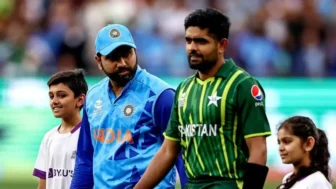
Against this backdrop, diplomatic engagement also played a key role in resolving the standoff over the India-Pakistan match. Sri Lankan President Anura Kumara Dissanayake publicly thanked Pakistan Prime Minister Shehbaz Sharif for ensuring that the much-anticipated India-Pakistan clash in Colombo on February 15 would go ahead as scheduled. In a message shared on X, he expressed delight that the match would proceed and thanked the ICC and all concerned, recalling the solidarity shown by both India and Pakistan during the 1996 World Cup when they played in Colombo despite security concerns.
The Government of Pakistan subsequently directed the national team to take the field after Prime Minister Shehbaz Sharif was briefed by the PCB chairman on the outcomes of talks with the ICC and BCB. The decision also followed a telephone conversation between Prime Minister Sharif and President Dissanayake, during which the Sri Lankan leader urged an amicable resolution. Taking into account the outcomes of multilateral discussions and requests from friendly countries, Pakistan reversed its earlier decision to boycott the match.
The developments mark a significant de-escalation in tensions surrounding the T20 World Cup, with assurances for Bangladesh’s future in international cricket and renewed cooperation among regional boards. With the Bangladesh issue addressed and diplomatic bridges reinforced, attention has now shifted back to the field as the tournament continues, highlighted by the confirmation of one of cricket’s most eagerly awaited encounters in Colombo.
Read all the Breaking News Live on pakistantimes.com and Get Latest English News & Updates from Pakistan Times. Follow us on Whatsapp channel for more.