Jama Taqseem
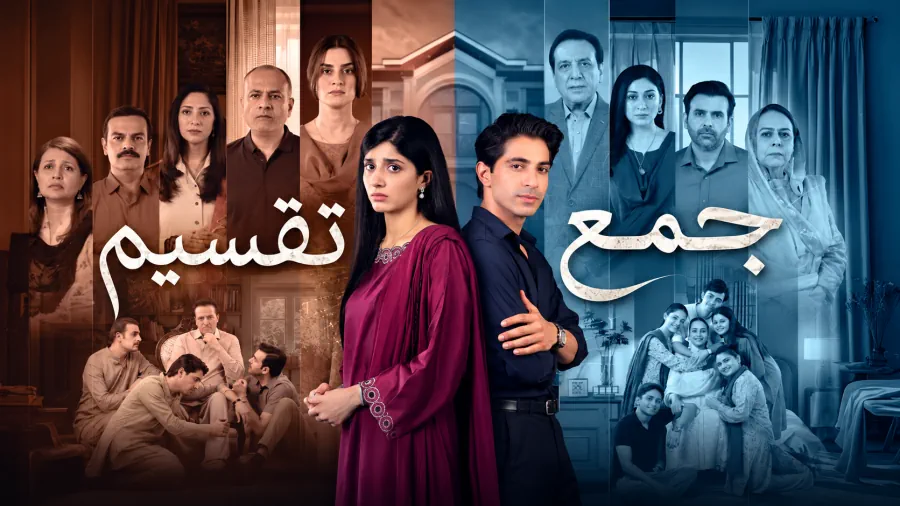
Jama Taqseem Drama Story & Cast Details
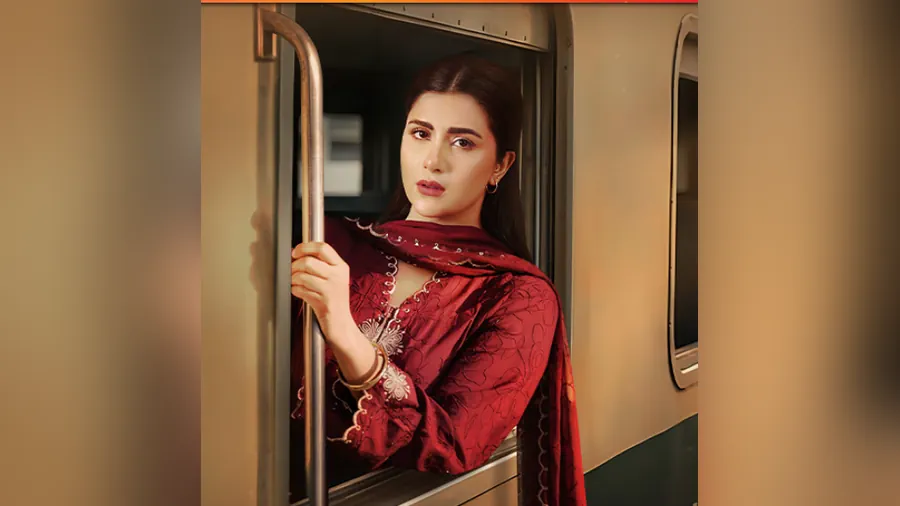
Jama Taqseem follows Laila, played by Mawra Hocane, and Qais, played by Talha Chahour. Laila is an educated, outspoken young woman from a comparatively liberal household, while Qais belongs to a traditional joint family where his parents’ expectations shape everyday life.
Their relationship brings two different family cultures together. As Laila adjusts to a shared household, questions about privacy, responsibilities and personal freedom challenge the couple’s understanding of marriage and togetherness.
Watch Promo
Jama Taqseem Drama Cast
| Actor | Character |
|---|---|
| Mawra Hocane | Laila |
| Talha Chahour | Qais |
| Javed Sheikh | Rafiq |
| Beo Raana Zafar | Shahida |
| Hassan Ahmed | Hameed |
| Amna Malik | Rashida |
| Madiha Rizvi | Nighat |
| Saad Azhar | Not confirmed |
| Amna Khan | Nudrat |
| Deepak Perwani | Ashar |
| Tazeen Hussain | Zoobia |
| Hania Ahmed | Shafaq |
| Nazeeha Zainab | Sidra |
| Elahi Bux Khan | Zeeshan |
The cast and character details are supported by HUM TV’s official listing, HUM’s coverage of the drama and Fuchsia’s interview listing for Hania Ahmed.
Jama Taqseem Drama Crew and Details
| Detail | Information |
|---|---|
| Drama name | Jama Taqseem |
| Lead cast | Mawra Hocane and Talha Chahour |
| Writer | Sarwat Nazir |
| Director | Ali Hassan |
| Producer | Momina Duraid |
| Production company | MD Productions |
| Television channel | HUM TV |
| Premiere date | September 10, 2025 |
| Original broadcast days | Wednesday and Thursday |
| Original broadcast time in Pakistan | 8:00 PM PKT |
| Total episodes | 30 |
| Status | Completed |
| Country | Pakistan |
| Language | Urdu |
| Genre | Family and Social, Romance, Comedy |
HUM TV confirms the writer, director, production banner and 30-episode conclusion. Published programme listings record the original Wednesday-and-Thursday schedule at 8:00 PM.
Laila and Qais’s relationship develops amid competing loyalties to their marriage and their families. Differences in upbringing turn ordinary domestic decisions into difficult conversations about compromise, boundaries and mutual respect.
Qais’s parents, Rafiq and Shahida, represent the authority and traditions of his household. His siblings and their spouses reveal different experiences within the same family, while Laila’s parents, Ashar and Zoobia, bring contrasting ideas about independence, work and shared responsibilities.
The drama explores generational differences, unequal treatment, parenting and the balance between family unity and individual wellbeing. Its central question is whether togetherness depends on sharing a home or on giving each other fairness, dignity and room to grow.