Jay Shah Re-Elected Unopposed as ICC Chairman for Second Term Until 2028
- Jay Shah has secured a second two-year term as Chairman of the International Cricket Council (ICC) after being re-elected unopposed during the governing body’s board meeting in Bali.
- The former BCCI secretary, who became the youngest ICC chairman at 35 in 2024, will oversee preparations for cricket’s return to the Olympic Games at Los Angeles 2028.
- Shah has pledged to expand cricket’s global reach, strengthen international competitions and promote sustainable growth, while England and Wales Cricket Board Chairman Richard Thompson has welcomed his re-election.
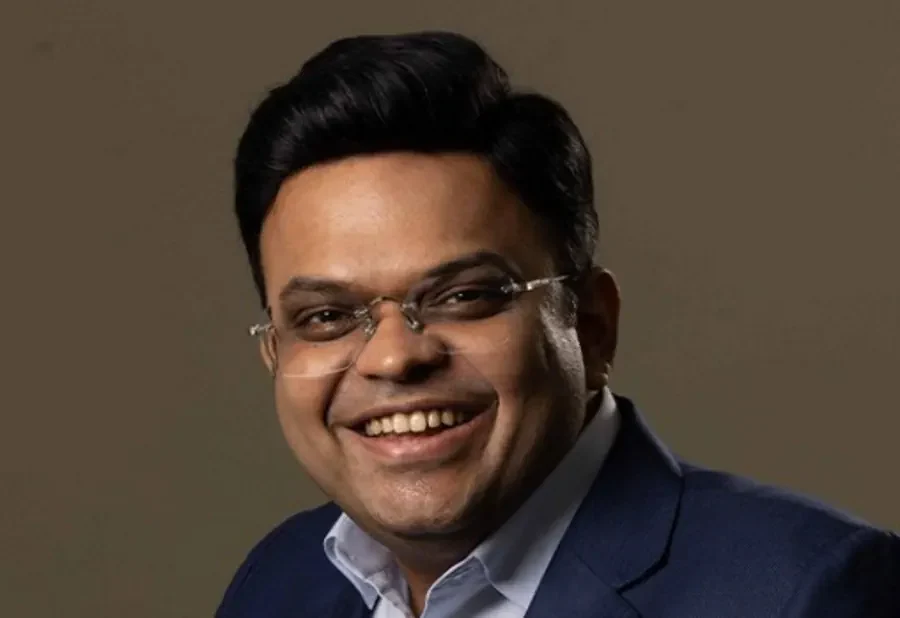
Indian cricket administrator Jay Shah has been re-elected unopposed as Chairman of the International Cricket Council (ICC) for a second consecutive term, extending his leadership of the sport’s global governing body until 2028.
The ICC confirmed the decision on Monday, November 16, 2026, following a meeting of its Board of Directors in Bali, Indonesia, where Shah received continued support from member boards to lead international cricket through another two-year term.
The International Cricket Council (ICC) Board is delighted to announce the unopposed reappointment of Mr Jay Shah for a second term as ICC Chair, following a proposal by the ICC Directors at the Board and Committee meetings in Bali. This decision reflects the Board’s confidence in Shah’s leadership and provides continuity at a defining moment for the sport, with global expansion, growth in fandom and commercial development on the strategic roadmap for its future. ICC Chairman Jay Shah said: “I am deeply honoured by the confidence the ICC Board has placed in me and sincerely grateful to every Director for their continued trust and support. Serving as Chair of the ICC is both a privilege and a responsibility, and I remain committed to working with our Members to advance the interests of cricket across the world. “We are entering one of the most important and exciting periods in our sport’s history. Cricket’s return to the Olympic Games at LA28 presents an extraordinary opportunity to introduce our game to new audiences and inspire a new generation of players and fans. “Our responsibility extends well beyond delivering successful events. We must build a stronger and more sustainable future for the sport with a focus on fans, athletes, commercial partners and other key stakeholders. “I have always believed that cricket’s greatest strength lies in its ability to bring people together. With the support of the Board and our Members, our focus will be on turning ambition into action and ensuring that the progress we make leaves a lasting legacy for generations to come.” More: https://t.co/Xs4sidFvOU
— ICC (@ICC) November 16, 2026
His re-election comes at a significant period for the sport, with cricket preparing to return to the Olympic Games at Los Angeles 2028 and the ICC facing important decisions concerning international scheduling, commercial development and the future structure of global competitions.
Shah, who previously served as Secretary of the Board of Control for Cricket in India (BCCI), first assumed office as ICC Chairman in 2024 at the age of 35, becoming the youngest person to hold the position.
His initial appointment marked an important development in international cricket administration, placing one of India’s most prominent cricket officials at the head of the global governing body.
With his second term now confirmed, Shah will continue overseeing the ICC’s strategic priorities, including expanding cricket’s international presence, strengthening cooperation among member boards and preparing for the sport’s inclusion in the 2028 Olympic programme.
Following his re-election, Shah expressed appreciation to the ICC Board for its continued confidence in his leadership.
He described serving as ICC Chairman as both an honour and a major responsibility, reaffirming his commitment to working closely with member countries to advance the interests of cricket worldwide.
Shah said international cricket was entering one of the most important and exciting periods in its history, particularly because of the opportunities associated with the sport’s return to the Olympic Games.
Cricket is scheduled to feature at the Los Angeles Olympics in 2028, marking its return to the Olympic programme after more than a century.
The sport previously appeared at the 1900 Paris Olympics, where Great Britain and France competed in the only cricket match held at those Games.
Its return at LA28 will feature the Twenty20 format, providing an opportunity to introduce international cricket to a wider Olympic audience.
Shah described the development as an extraordinary opportunity to attract new fans, encourage participation and inspire future generations of cricketers.
He emphasised that the ICC’s responsibilities extended beyond successfully organising international tournaments and major sporting events.
According to Shah, the organisation must also focus on establishing a stronger and more sustainable future for cricket while ensuring that players, supporters, commercial partners and other stakeholders remain central to its decision-making.
He reaffirmed his determination to work with ICC member boards to strengthen the sport’s international appeal and support its long-term development.
The ICC chairman also highlighted the importance of maintaining cooperation among cricket-playing nations as the sport enters a period of expanding commercial opportunities and changing audience expectations.
His second term will coincide with preparations for the Los Angeles Olympics, making the successful delivery of cricket’s Olympic return one of the most prominent developments during his leadership.
The inclusion of cricket in the Olympic programme is expected to provide greater international exposure, particularly in markets where the sport has traditionally had a smaller following.
It also presents opportunities for cricket administrators to strengthen relationships with international sporting organisations and encourage investment in the game’s development.
Meanwhile, England and Wales Cricket Board (ECB) Chairman Richard Thompson congratulated Shah on securing another term, describing his continued leadership as important for international cricket during a period of considerable change.
Thompson said the sport was facing several significant challenges and opportunities that would require cooperation among national cricket boards and effective leadership from the ICC.
He identified the international cricket calendar as one of the major issues requiring attention, particularly as the number of global tournaments, domestic competitions and franchise leagues continues to influence scheduling decisions.
The ECB chairman stressed the importance of maintaining the relevance and competitiveness of bilateral international cricket while ensuring that major ICC tournaments remain central to the sport’s future.
Bilateral cricket, including Test matches, One Day Internationals and Twenty20 series between national teams, remains an important part of the international structure.
However, the expansion of franchise competitions and changing commercial priorities have increased the need for coordination between national boards, tournament organisers and the ICC.
Thompson said balancing cricket’s established traditions with innovation would be essential to ensuring the sport remains competitive and attractive to future generations.
He also highlighted the importance of reaching new audiences and adapting to changing commercial conditions without undermining the established international game.
According to Thompson, the ICC has a central responsibility to bring member boards together, encourage cooperation and develop a sustainable direction for international cricket.
He expressed confidence in the importance of continued leadership and collaboration as cricket prepares for its next phase of international expansion.
Shah’s re-election ensures continuity at the ICC as the governing body approaches the 2028 Olympics and continues discussions over the future of international competitions, bilateral scheduling and the commercial development of cricket.
His second two-year term will also place him at the centre of decisions affecting the relationship between traditional international cricket, emerging markets and the rapidly expanding global franchise cricket industry.